
The Connected Classroom at Home: How Smart Devices Are Transforming Learning Spaces
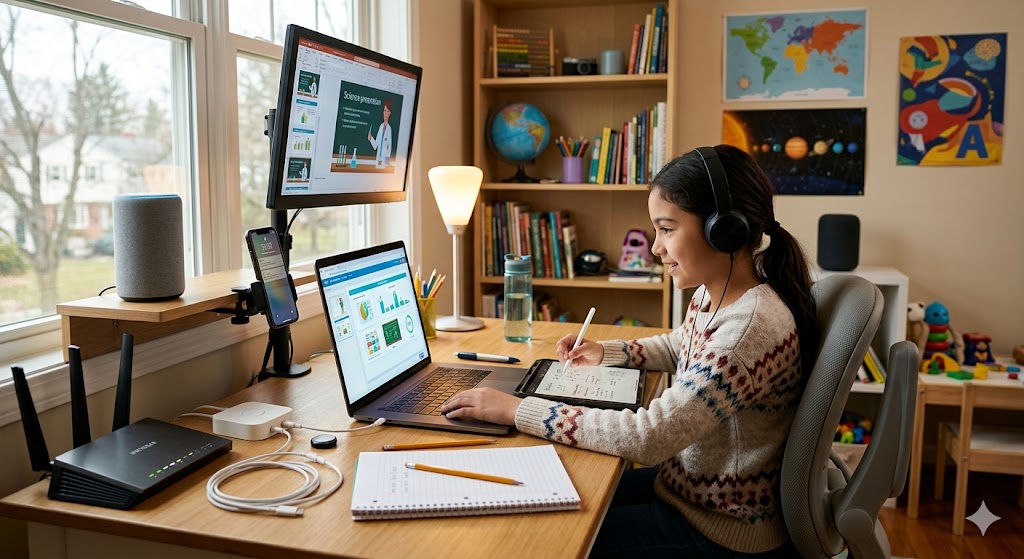
Smart devices have reshaped the way students learn by turning ordinary homes into interactive learning environments. Tablets, smartphones, smart TVs, and voice assistants now act as digital learning companions, making educational content more accessible than ever before. With just a few taps or voice commands, learners can access lectures, tutorials, and interactive exercises from anywhere in the house. This flexibility has made education more adaptable to individual schedules and learning speeds.
One of the biggest transformations brought by smart devices is the rise of personalized learning. Educational apps and AI-powered platforms can analyze a student’s performance and adjust lessons accordingly. This helps learners focus on areas where they need improvement while progressing faster in subjects they already understand. As a result, home-based learning has become more efficient and tailored to individual needs.
Smart devices also encourage more interactive and engaging learning experiences. Features like augmented reality, gamified quizzes, and video-based lessons make studying more immersive compared to traditional methods. Students can now visualize complex concepts, participate in virtual experiments, and collaborate with peers through online platforms, all from the comfort of their homes.
In addition, smart devices have strengthened communication between students, teachers, and parents. Video conferencing tools and learning management systems allow real-time feedback, doubt clearing, and progress tracking. This constant connectivity ensures that learners remain supported even outside the physical classroom.
Overall, smart devices are redefining home-based learning by making it more flexible, personalized, and engaging. As technology continues to evolve, the boundary between classroom and home learning will continue to blur, creating a more connected and accessible education system for everyone.
