
Behind the Click: Understanding How Search Engines Really Work
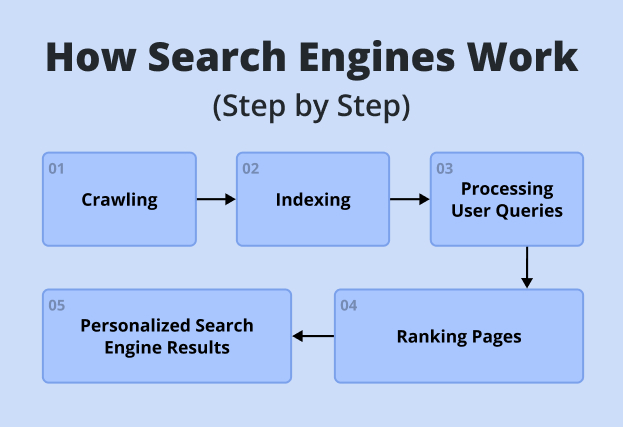
Every time you type a question into Google or Bing, a complex series of processes begins in the blink of an eye to deliver what seems like instant answers. But have you ever wondered how search engines actually work behind the scenes? Understanding this can help you better optimize your content and gain visibility online.
Search engines like Google operate in three key stages: crawling, indexing, and ranking. Crawling is the process where bots, often called “spiders,” systematically explore the web by following links from one page to another. These bots collect information about web pages, which is then passed to the next stage—indexing. During indexing, the search engine analyzes the content and structure of each page, storing key data like keywords, meta tags, and freshness into a massive searchable database.
Once a page is indexed, it becomes eligible to appear in search results. When someone conducts a search, the engine sifts through its index and uses algorithms to rank pages based on hundreds of factors—such as relevance, content quality, page speed, mobile-friendliness, and backlinks. The goal is to present the user with the most useful and authoritative results at the top of the page. This is why websites that follow SEO best practices tend to perform better in rankings.
In short, search engines act as intelligent librarians for the internet—organizing and presenting information in a way that matches user intent. For content creators and businesses, understanding this process is crucial. It’s not just about stuffing keywords into a page; it’s about creating valuable, well-structured content that meets the needs of both users and algorithms.