
Breaking Borders: How Blockchain is Transforming Global Payments
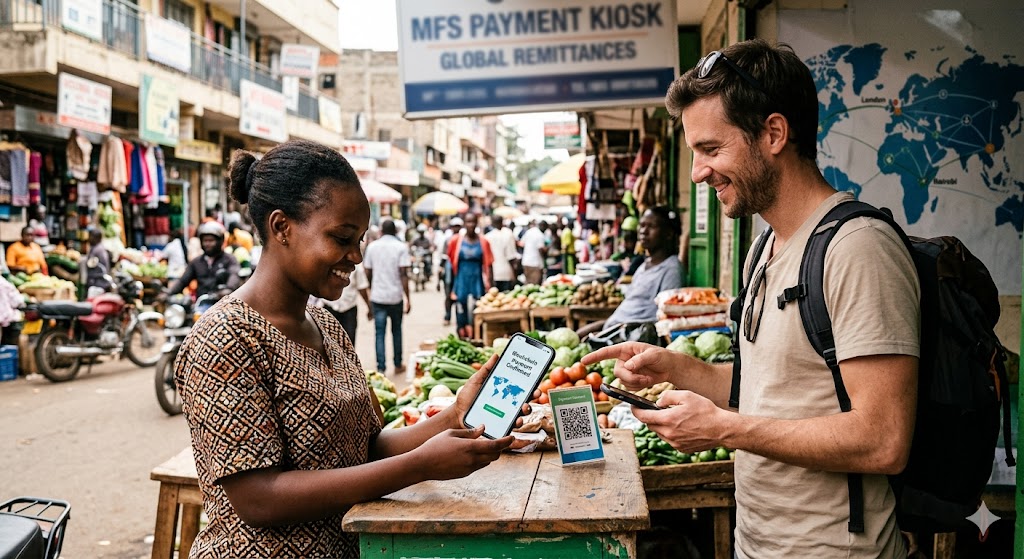
Cross-border payments have traditionally been slow, expensive, and dependent on multiple intermediaries, making international transactions complex for both individuals and businesses. The involvement of banks, currency conversions, and regulatory checks often leads to delays and high processing fees. However, with the emergence of blockchain technology, the landscape of global payments is undergoing a significant transformation, offering faster and more efficient alternatives.
Blockchain enables peer-to-peer transactions without the need for intermediaries, allowing funds to be transferred directly between parties across different countries. By using decentralized ledgers, transactions are recorded securely and transparently, reducing the risk of fraud and errors. This technology also minimizes the time required for settlement, as payments can be processed almost instantly compared to traditional systems that may take several days.
Another major advantage of blockchain-powered cross-border payments is cost reduction. Since intermediaries are eliminated or significantly reduced, transaction fees become much lower, making it particularly beneficial for businesses and migrant workers sending remittances. Additionally, blockchain supports multiple currencies and digital assets, simplifying the process of currency exchange and improving accessibility for users worldwide.
As blockchain continues to evolve, its role in global finance is expected to grow even further. Financial institutions, startups, and governments are increasingly exploring its potential to enhance payment systems and improve financial inclusion. While challenges such as regulation and adoption remain, blockchain-powered cross-border payments are paving the way for a faster, more transparent, and borderless financial future.
