
Transforming Education Through Data-Driven Personalized Learning
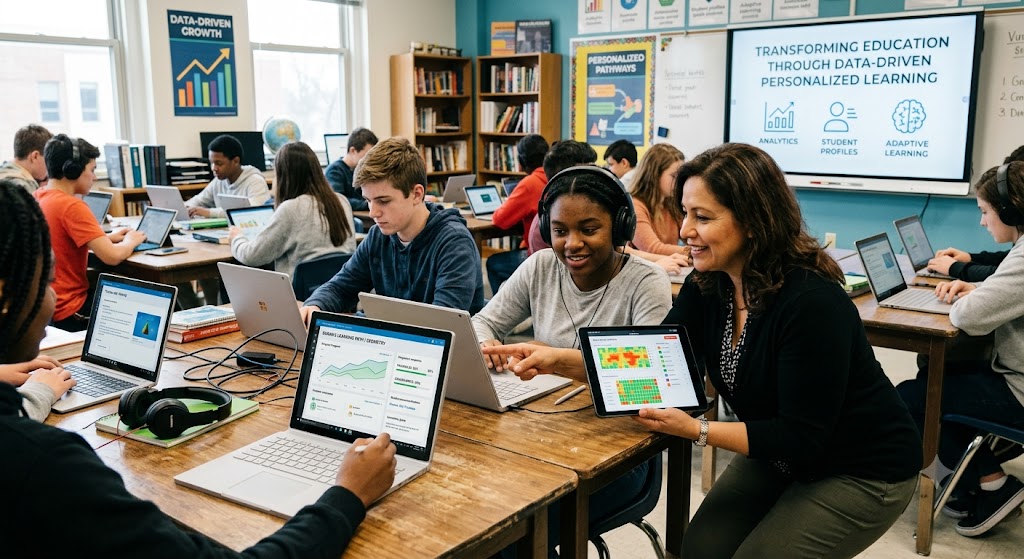
Hyper-personalized learning paths powered by Big Data are changing the way students experience education by moving beyond a one-size-fits-all approach. Traditional learning models often provide the same lessons, pace, and assessments to an entire group, even though students have different strengths, interests, and learning needs. By collecting and analyzing large amounts of educational data, modern learning platforms can create more individualized experiences that adapt to each learner’s progress and behavior.
Big Data can draw information from sources such as assessment results, course activity, time spent on lessons, learning preferences, quiz performance, and interaction patterns. When these data points are analyzed, educational systems can identify areas where a learner is performing well and topics that may require additional attention. This allows learning platforms to recommend suitable lessons, practice activities, revision materials, or advanced content based on an individual student’s current level rather than relying solely on a fixed curriculum.
Another important advantage of hyper-personalized learning paths is the ability to adjust continuously. A student who quickly understands a topic can be guided toward more challenging material, while a learner facing difficulties can receive additional explanations and practice before moving forward. Over time, data-driven systems can recognize learning patterns and make recommendations that reflect changing needs. This dynamic approach can help learners progress at a comfortable pace while keeping educational content relevant to their goals.
For educators, Big Data can provide valuable insights into classroom and individual performance. Teachers can use aggregated learning information to identify common difficulties, track progress, and provide targeted support where it is needed. At the same time, institutions can analyze broader trends to improve course design and educational resources. However, effective implementation requires responsible data management, strong privacy protections, transparency, and careful attention to the quality of the information being analyzed.
As educational technology continues to evolve, hyper-personalized learning paths may become an increasingly important part of digital education. The combination of Big Data, analytics, and adaptive learning systems can help create learning experiences that are more responsive to individual needs. When supported by thoughtful teaching practices and responsible use of data, this approach has the potential to make education more flexible, engaging, and learner-centered.
