
From Marks to Mastery: Understanding the Difference Between Learning for Exams and Learning for Skills
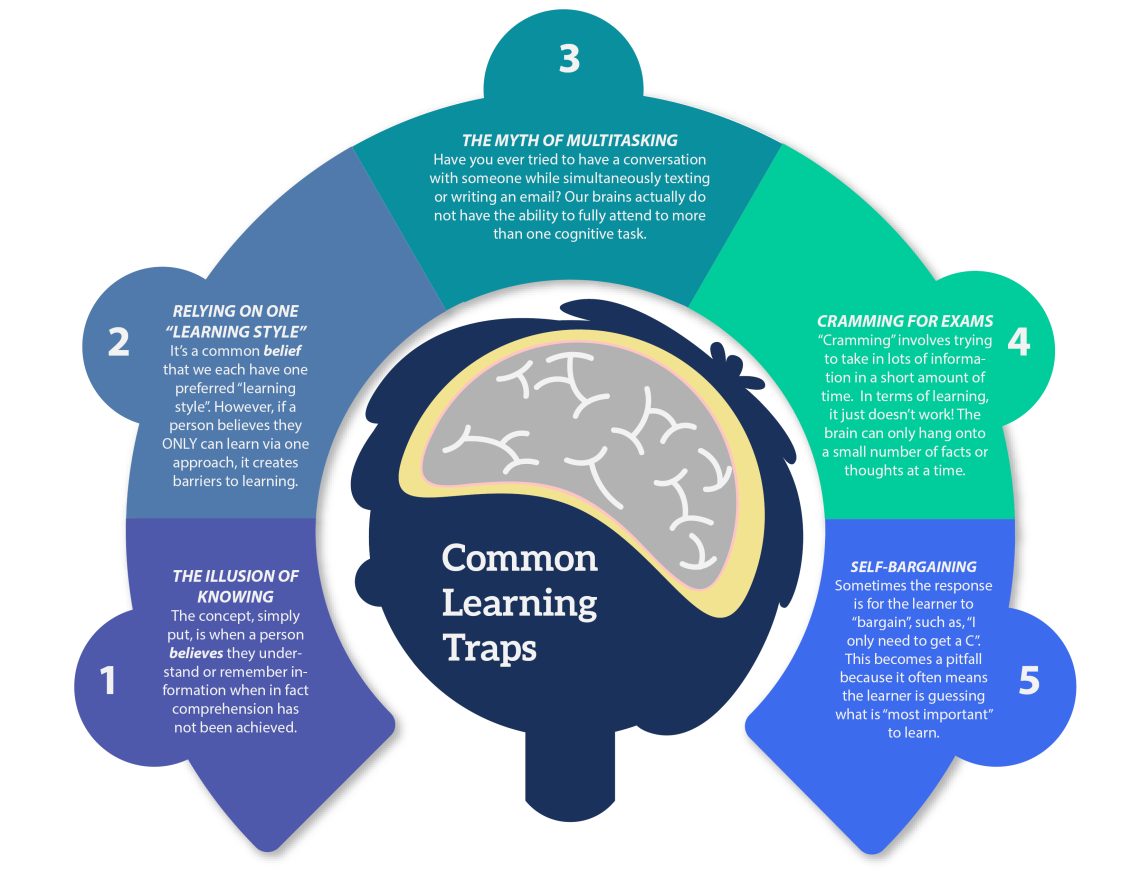
Learning for exams and learning for skills represent two fundamentally different approaches to education, each serving a distinct purpose in a student’s academic and professional journey. Learning for exams is primarily focused on scoring marks by understanding the syllabus, memorizing key points, and reproducing information accurately within a limited time frame. This method is structured, time-bound, and closely aligned with textbooks, question papers, and evaluation schemes, making it essential for passing semesters and obtaining certifications.
In contrast, learning for skills emphasizes practical understanding and real-world application of knowledge. Instead of focusing on “what will come in the exam,” skill-based learning asks, “how is this used in real life?” It involves problem-solving, hands-on practice, critical thinking, and continuous improvement. Skills such as coding, communication, data analysis, or design cannot be mastered through memorization alone; they require repeated practice, experimentation, and learning from mistakes.
Another major difference lies in retention and adaptability. Exam-oriented learning often leads to short-term retention, where concepts are remembered just long enough to write the exam and may fade afterward. Skill-based learning, however, creates long-term understanding because the learner actively applies concepts in different situations. This deeper engagement helps students adapt their knowledge to new problems, tools, and technologies, which is crucial in fast-changing industries.
From a career perspective, exams validate academic eligibility, while skills determine employability and performance. Good marks may help a student clear initial screening stages, but skills decide whether they can succeed in interviews, internships, and real jobs. Employers increasingly value what a candidate can do over what they have memorized, making skill-based learning a long-term investment.
In summary, learning for exams helps students progress academically, while learning for skills prepares them for real-world challenges. An effective educational journey balances both approaches—using exam learning to build foundational knowledge and skill learning to transform that knowledge into practical capability. Students who consciously combine these two methods are better equipped for both academic success and professional growth.
