
From Shared Resources to Global Learning: The Evolution of Open Educational Resources
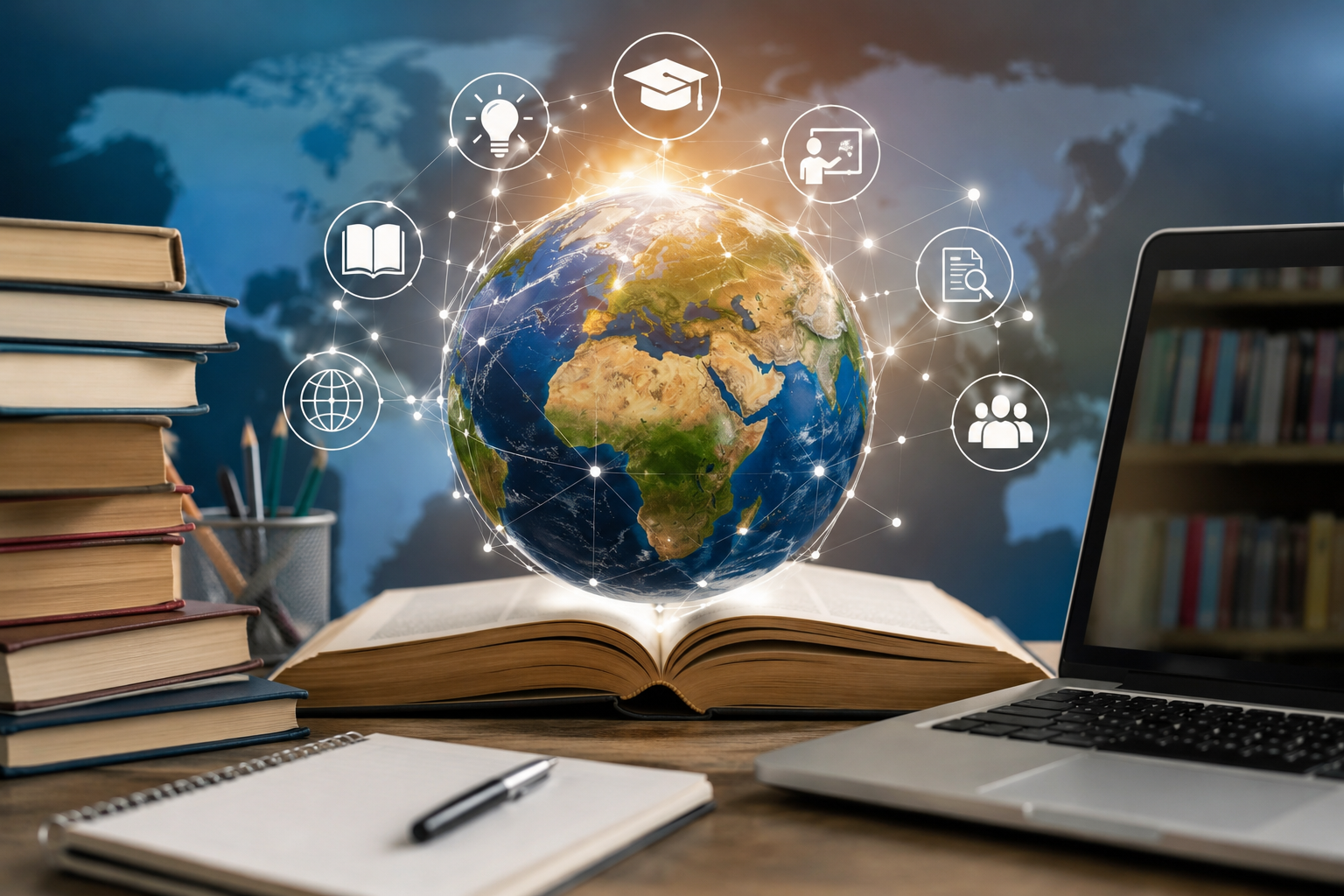
Open Educational Resources, commonly known as OER, have transformed the way learners and educators access and share knowledge. These freely available educational materials include textbooks, lecture notes, videos, assignments, courses, and other learning resources that can be used and adapted according to educational needs. The growth of the internet has played a major role in making such resources accessible to students and teachers regardless of their location or financial background.
In the early stages, OER primarily focused on making academic materials freely available online. Universities, educators, and educational organizations began publishing course content that could be accessed by learners around the world. Over time, the concept expanded beyond simply providing free materials, encouraging users to modify, translate, combine, and redistribute resources. This collaborative approach has helped educators create learning materials that are more relevant to different subjects, communities, and learning environments.
Technology has further accelerated the development of OER by introducing interactive and multimedia-based resources. Modern open educational materials can include digital textbooks, educational videos, simulations, interactive exercises, and complete online courses. Cloud platforms and digital repositories have also made it easier for educators to discover, update, and share resources, while students can access learning materials through computers and mobile devices.
The future of OER is likely to become increasingly connected with emerging technologies and collaborative learning. Artificial intelligence, adaptive learning tools, and multilingual resources could make open educational content more personalized and accessible. By reducing barriers to educational materials and encouraging knowledge sharing, OER can support inclusive education and lifelong learning. Its evolution demonstrates how technology and collaboration can make quality educational resources available to a much wider community.
