
Securing Digital Assessments: The Evolution of Remote Examination Monitoring
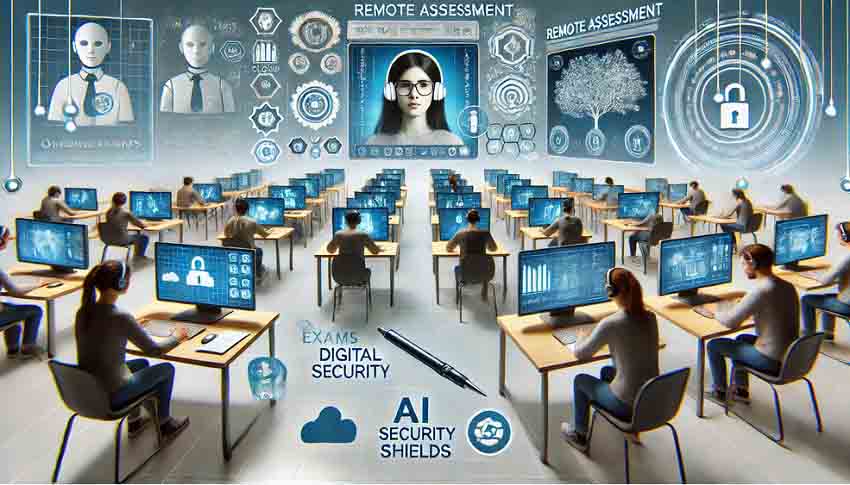
Online examinations have become an important part of modern education, allowing students to complete assessments from different locations without visiting traditional examination centres. However, maintaining examination integrity and preventing unfair practices can be challenging when assessments take place remotely. Remote proctoring technologies are addressing these challenges by providing digital monitoring systems that help educational institutions supervise online examinations. These solutions are changing how examinations are conducted by combining technology, security, and flexible assessment methods.
Remote proctoring systems use tools such as webcams, microphones, screen monitoring, identity verification, and browser activity tracking to supervise candidates during examinations. Before an assessment begins, students may be required to verify their identity through a photograph, identification document, or facial recognition system. During the examination, the software can monitor activities such as switching between browser windows, unusual movements, additional voices, or attempts to access restricted applications. Some platforms use artificial intelligence to identify potentially suspicious behaviour and generate alerts for human reviewers.
One of the major advantages of remote proctoring is the flexibility it offers students and educational institutions. Candidates can take examinations from their homes or other suitable locations, reducing travel requirements and making assessments more accessible to geographically distant learners. Educational institutions can also conduct examinations for large numbers of students without depending entirely on physical examination centres. Automated monitoring and digital reporting can help simplify examination administration while providing additional information for reviewing assessment activities.
Despite these advantages, remote proctoring also raises important concerns regarding privacy, accessibility, and technical reliability. Continuous webcam monitoring, facial recognition, and screen recording may make some students uncomfortable, while internet connectivity problems and hardware limitations can affect examination performance. Automated systems may also incorrectly flag normal behaviour as suspicious, making human review essential before any decision is taken. Institutions should therefore establish transparent monitoring policies, protect students' personal data, provide technical support, and offer reasonable alternatives for learners who cannot meet specific technology requirements.
As digital education continues to expand, remote proctoring is likely to remain an important part of online examination management. Future developments may focus on improving identity verification, reducing false alerts, strengthening data protection, and creating more accessible assessment environments. By balancing examination security with fairness, privacy, and student convenience, educational institutions can use remote proctoring technologies to build greater trust in digital assessments and support the continued growth of online education.
