
Preparing Future Professionals for Remote Careers Through Online Learning
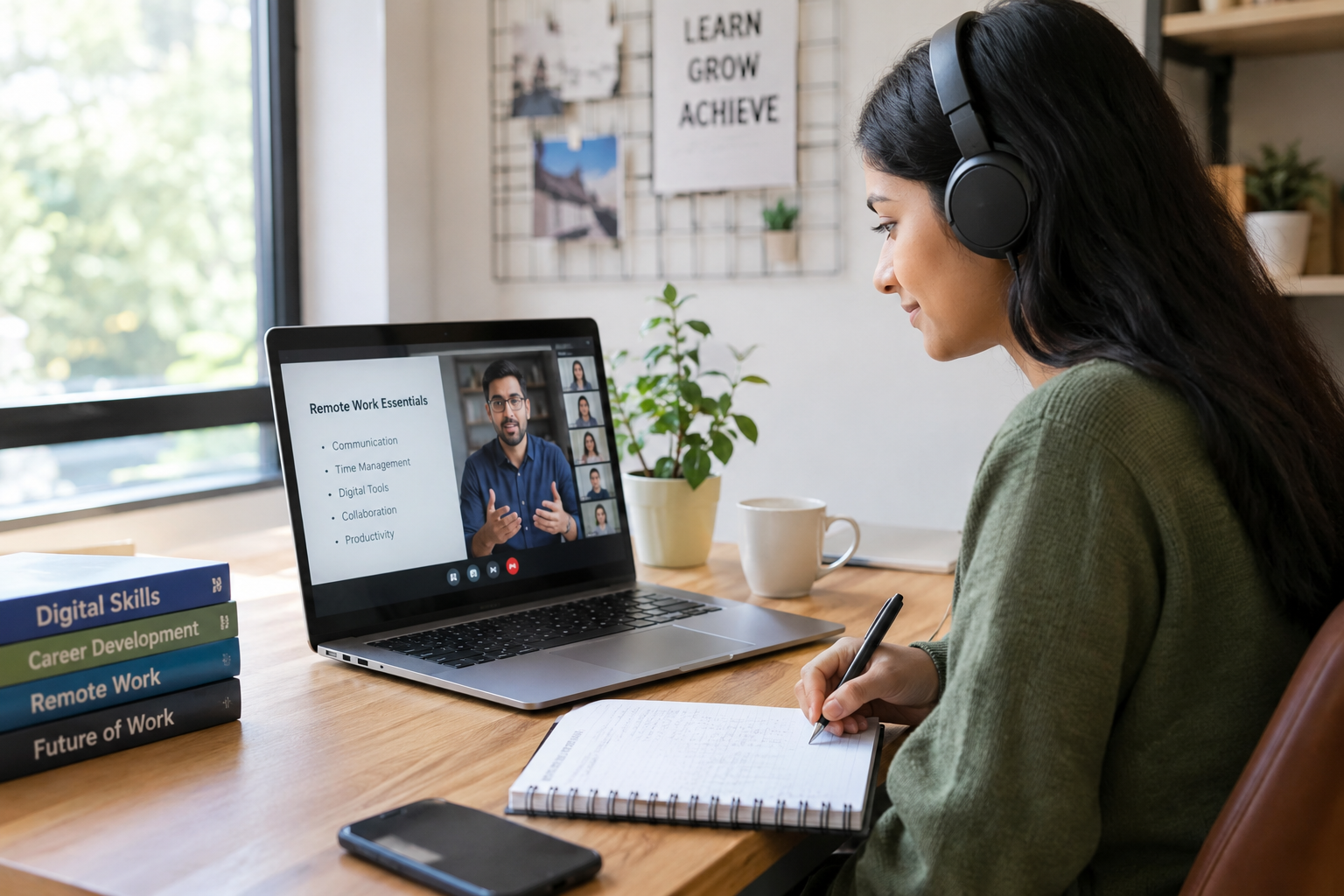
Online education is transforming the way students prepare for their future careers, particularly as remote work becomes an increasingly common part of the professional world. Many companies now rely on digital platforms to communicate, manage projects, and collaborate with employees across different locations. By providing access to virtual classrooms, digital learning materials, and interactive assignments, online education helps students become familiar with the technologies and working methods used in remote environments. This learning approach enables students to develop essential professional skills while preparing for the changing demands of the modern workplace.
One of the most important benefits of online education is the development of digital communication and collaboration skills. Students regularly participate in virtual discussions, group projects, online presentations, and video conferences, which reflect many aspects of remote working environments. These activities teach them how to express ideas clearly, share documents, provide constructive feedback, and work effectively with people from different backgrounds. Learning to use digital collaboration tools also helps students understand how teams coordinate tasks and achieve shared goals without being physically present in the same office.
Online education also encourages self-discipline, time management, and independent problem-solving, which are essential qualities for remote professionals. Unlike traditional classroom settings, online learning often requires students to organize their schedules, meet assignment deadlines, and take responsibility for their progress. By balancing academic responsibilities with personal commitments, students learn to prioritize tasks and remain productive with minimal supervision. These habits can help them adapt to remote work arrangements, where employees are expected to manage their responsibilities independently while maintaining consistent performance.
Another significant aspect of preparing students for remote work is providing practical knowledge of digital tools, cybersecurity, and professional online behaviour. Educational institutions can introduce students to project management platforms, cloud-based applications, virtual meeting software, and digital documentation systems. They can also teach safe internet practices, data protection, professional email communication, and responsible use of artificial intelligence tools. Incorporating virtual internships, industry-based projects, and simulated workplace assignments into online courses can further bridge the gap between academic learning and real-world employment expectations.
In conclusion, online education plays a valuable role in preparing students for the opportunities and challenges of remote work. By combining academic knowledge with digital literacy, communication, collaboration, and self-management skills, educational institutions can help students become confident and adaptable professionals. Students should actively participate in online projects, explore relevant digital tools, and seek opportunities to gain practical experience alongside their studies. As the professional world continues to embrace flexible working arrangements, online education can serve as an effective pathway for building a skilled workforce ready to succeed in a connected and technology-driven environment.
