
Software Testing - Specification by Example (SBE) / Acceptance Test-Driven Development (ATDD)
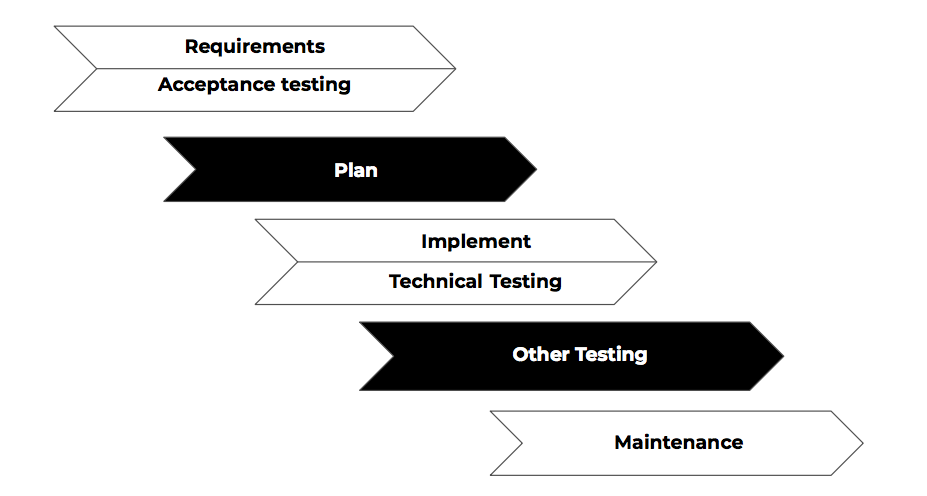
Specification by Example (SBE) and Acceptance Test-Driven Development (ATDD) are Agile practices where requirements are defined collaboratively using concrete examples, and those examples are turned into acceptance tests before development starts.
Simple definition:
Discuss → Write examples → Turn into tests → Build software to pass them
Core Idea (Straight to the Point)
-
Requirements are not written as vague text
-
They are written as executable examples
-
These examples become acceptance tests
-
Development is driven by these tests
This ensures shared understanding and no requirement ambiguity.
Who Is Involved (Collaboration)
ATDD is a three-way collaboration:
-
Business / Product Owner – defines expected behavior
-
Tester / QA – converts examples into acceptance tests
-
Developer – implements code to satisfy tests
This is why ATDD is also called “Three Amigos” practice.
ATDD Workflow
-
Requirement discussion
-
Concrete examples are defined
-
Acceptance tests are written (before coding)
-
Development starts
-
Tests must pass
-
Feature is accepted
Testing drives development, not the other way around.
Example (Given–When–Then)
Requirement: Login should fail for invalid password
Given the user is registered
When the user enters an invalid password
Then login should be denied with an error message
This example is:
-
A requirement
-
A test case
-
A validation rule
All in one.
Specification by Example vs Traditional Requirements
| Aspect | Traditional Requirements | SBE / ATDD |
|---|---|---|
| Format | Text documents | Concrete examples |
| Ambiguity | High | Very low |
| Validation | After development | Before development |
| Tester involvement | Late | Early |
| Automation support | Weak | Strong |
Relationship Between SBE and ATDD
-
Specification by Example → How requirements are described
-
ATDD → How development is driven using those specifications
They are usually used together in Agile teams.
Benefits (Why Agile Teams Use It)
-
Eliminates requirement misunderstandings
-
Reduces rework
-
Improves communication
-
Enables automated acceptance testing
-
Acts as living documentation
-
Faster acceptance by stakeholders
Where It Is Used
-
Agile / Scrum teams
-
Behavior-Driven Development (BDD)
-
Continuous Integration pipelines
-
Product-centric development
Common Tools (Just for Context)
-
Cucumber
-
SpecFlow
-
FitNesse
-
JBehave
(These tools execute the examples as tests.)
Limitations
-
Requires active business involvement
-
Initial setup effort is higher
-
Poor examples → poor tests
-
Not ideal for highly exploratory features
